EV battery types explained: LFP vs NMC, Blade, sodium-ion and solid-state (and which car in Nepal uses which)
Wheels of Nepal · Last updated: · 10 min read
Almost every popular electric car in Nepal runs on an LFP (lithium iron phosphate) battery, the cheaper, very stable type that now makes up more than half of the world's EV batteries. A few, such as the Deepal S07, MG S6 EV and Hyundai Creta Electric, use NMC (nickel manganese cobalt), which stores more energy per kilo. Sodium-ion and solid-state batteries are coming, but no EV on sale in Nepal uses them yet.
What is inside an EV battery?
An EV battery pack is made of many small cells. Each cell has two sides: the anode (usually graphite) and the cathode, with a liquid electrolyte and a thin separator between them. When you charge, lithium ions move into the anode. When you drive, they flow back to the cathode and that flow powers the motor.
The names you see in brochures, such as LFP and NMC, describe the cathode material. That one material decides most of what matters to a buyer: how much range fits in the pack, how much it costs, how it handles heat and cold, and how long it lasts.
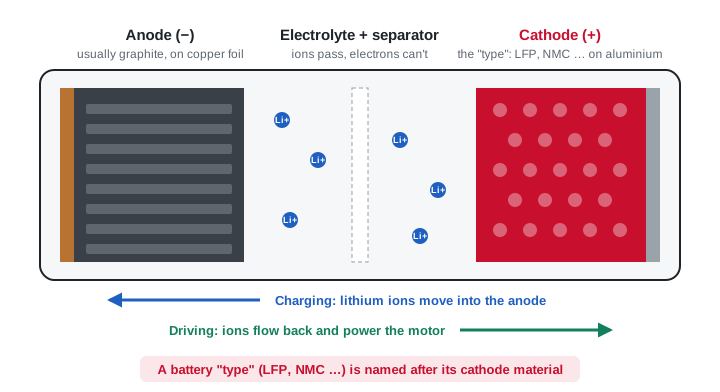
Simplified diagram by Wheels of Nepal.
The four battery types at a glance
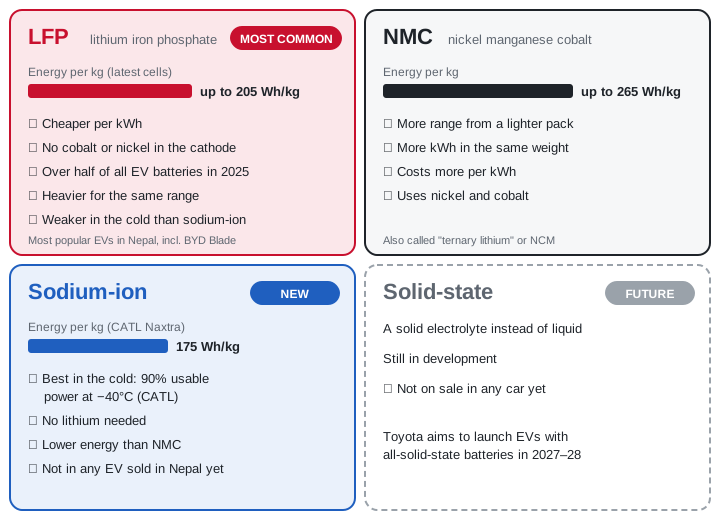
Figures from the IEA Global EV Outlook 2026 (LFP, NMC), CATL (sodium-ion) and Toyota (solid-state). Diagram by Wheels of Nepal.
LFP (lithium iron phosphate)
LFP uses iron and phosphate in the cathode, with no nickel or cobalt. According to the International Energy Agency (IEA), LFP made up over 55% of the EV batteries deployed worldwide in 2025, up from nearly 50% in 2024, and LFP packs were on average more than 40% cheaper per kWh than NMC (the IEA notes that part of this gap comes from batteries used for power storage, not cars).
- Good at: lower cost, stability, and long life. BYD, the biggest LFP car maker, claims its Blade cells give off no smoke or fire when pierced by a nail in testing.
- Weaker at: energy per kilo. The IEA puts the latest LFP cells at up to 205 Wh/kg, so an LFP car needs a heavier pack for the same range as an NMC car. The IEA also says sodium-ion batteries work far better than LFP in very low temperatures.
NMC (nickel manganese cobalt), also called "ternary" or NCM
NMC packs more energy into each kilo: up to 265 Wh/kg for the latest cells, according to the IEA. That means more range from a lighter pack, which is why you often see it in larger or longer-range EVs. The trade-off is cost, since nickel and cobalt are expensive metals. Chinese brands often call NMC "ternary lithium", and MG Nepal writes it as NCM. These are the same family of batteries.
Sodium-ion
Sodium-ion swaps lithium for sodium, which is cheap and plentiful. CATL, the world's largest battery maker, unveiled its Naxtra sodium-ion battery in April 2025 and says it reaches 175 Wh/kg, keeps 90% of its usable power at −40°C and lasts over 10,000 cycles. That makes it very promising for cold places. No EV sold in Nepal uses sodium-ion yet.
Solid-state
A solid-state battery replaces the liquid electrolyte with a solid one. It is still in development and not in any car you can buy today. Toyota says it is aiming to launch EVs with all-solid-state batteries in 2027–28. Treat any "solid-state" claim from a showroom with care until you see a model actually on sale.
| NMC (latest) | 265 Wh/kg |
|---|---|
| LFP (latest) | 205 Wh/kg |
| Sodium-ion (CATL Naxtra) | 175 Wh/kg |
Source: IEA Global EV Outlook 2026 (NMC, LFP); CATL press release (sodium-ion)
What is a Blade battery?
Blade is BYD's name for its LFP battery, not a separate chemistry. BYD launched it in March 2020. Instead of small cells grouped into modules, Blade uses long, thin cells placed straight into the pack (called cell-to-pack). BYD says this raises space use in the pack by 50%, so more battery fits in the same floor space, helping LFP make up for its lower energy per kilo.
Other makers have their own names for LFP packs: Geely's EX5 uses a "short-blade" LFP battery, Proton's e.MAS 7 an "Aegis Short-Blade" LFP battery, and Wuling calls its packs "MAGIC Battery". Names differ, but the chemistry is LFP.
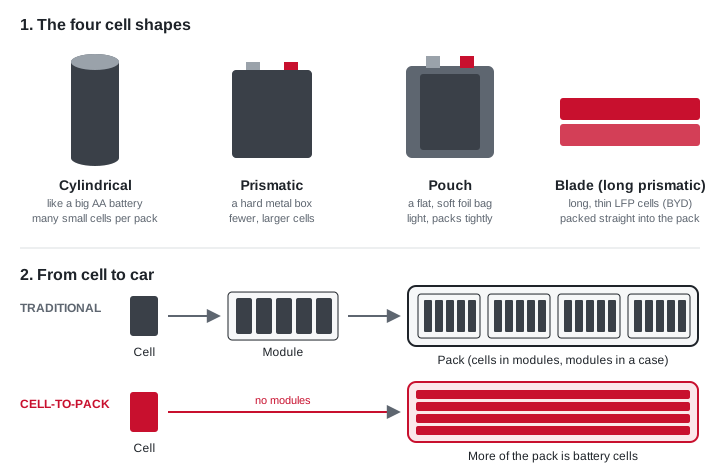
Simplified diagram by Wheels of Nepal.
Which battery does each popular EV in Nepal use?
This is what the brands, or general news reports where the brand is silent, say about the battery in the popular electric cars sold in Nepal. "Not published" means we found no official or news source that names the chemistry; some websites guess, but we don't. Where the source is from another country, the Nepal car could differ.
| Car | Battery size in Nepal | Battery type | Who says so |
|---|---|---|---|
| BYD Atto 1 | 30.08 / 38.88 kWh | LFP (Blade) | BYD Nepal and BYD Italy |
| BYD Atto 2 | 45.12 / 51.13 kWh | LFP (Blade) | BYD Nepal and BYD Italy |
| BYD Atto 3 | 49.92 / 60.48 kWh | LFP (Blade) | BYD Nepal and BYD UK |
| BYD Dolphin | 44.9 kWh | LFP (Blade) | BYD Nepal ("Battery Type: Blade") |
| BYD Seal | 61.44 / 82.56 kWh | LFP (Blade) | BYD Italy |
| BYD Sealion 7 | 71.8 kWh | LFP (Blade) | BYD Nepal and BYD Europe |
| BYD M6 | 71.8 kWh | LFP (Blade) | BYD Indonesia |
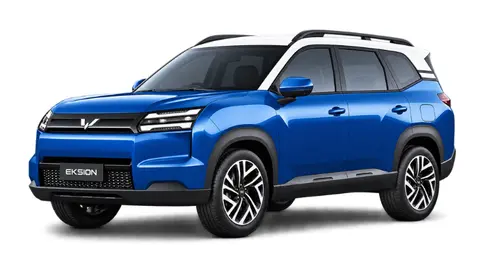
| Wuling Eksion | 69.2 kWh | LFP | Wuling Nepal |
| Wuling Mini EV | 16.2 / 25.1 kWh | LFP | Wuling Nepal |
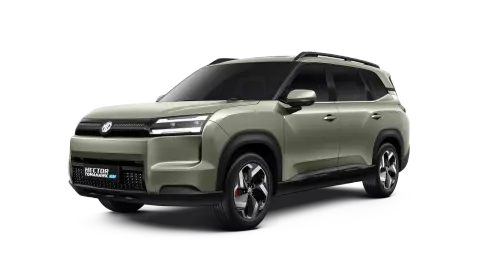
| MG Hector Tomahawk EV | 69.2 kWh | LFP | MG India |
| MG S5 EV | 49.1 / 62.2 kWh | LFP (CATL cells) | MG Nepal |
| MG4 EV | 51 / 64 kWh | 51 kWh LFP, 64 kWh NMC | MG Europe (first-generation MG4) |
| MG S6 EV | 77 kWh | NMC | MG Nepal |
| Changan Nevo Q05 | 51.9 kWh | LFP | Changan Nepal |
| Deepal S07 | 66.8 kWh | NMC (ternary) | Onlinekhabar |
| Deepal S05 | 56.1 kWh | not published | – |
| Dongfeng Nammi Box | 31.4 / 42.3 kWh | LFP | Onlinekhabar |
| Dongfeng Nammi Vigo | 51.87 kWh | not published | – |
| Geely Galaxy EX5 | 60.22 kWh | LFP (short blade) | Onlinekhabar |
| Proton e.MAS 7 | 49.52 / 60.22 kWh | LFP (Aegis Short-Blade) | CNN Indonesia (Malaysia launch) |
| Suzuki e Vitara | 49 / 61 kWh | LFP | Suzuki global |
| Leapmotor B10 | 67.1 kWh | LFP | Leapmotor UK (Stellantis) |
| Leapmotor T03 | 37.3 kWh | LFP | Leapmotor UK (Stellantis) |
| Mahindra BE 6 | 59 / 79 kWh | LFP (79 kWh pack) | Mahindra |
| Mahindra XEV 9e | 59 / 79 kWh | LFP (79 kWh pack) | Mahindra |
| Tata Punch.ev | 32 / 40 kWh | LFP (40 kWh pack) | Tata Motors India |
| Tata Nexon.ev | 45 kWh | not published for 45 kWh | – |
| Tata Curvv.ev | 55 kWh | not published | – |
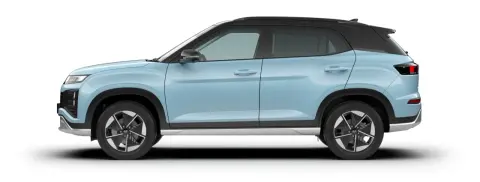
| Hyundai Creta Electric | 42 kWh | NMC | Laxmi Hyundai brochure |
| Kia Syros EV | 42 kWh | not published | – |
Battery sizes are from our catalogue, taken from each brand's Nepal pages. For the MG4, Nepal's 51 and 64 kWh versions match the first-generation car, where MG listed the smaller pack as LFP and the larger as NMC. Mahindra's launch release names LFP for the 79 kWh pack only, and Tata names it for the 40 kWh Punch.ev pack only.
- LFP 70%
- NMC 10%
- Both (MG4: LFP or NMC by version) 3.3%
- Not published 16.7%
| LFP | 21 models |
|---|---|
| NMC | 3 models |
| Both (MG4: LFP or NMC by version) | 1 models |
| Not published | 5 models |
Source: Our table above (brand pages and news reports, October 2026)
Does the battery type matter when you buy?
Less than the battery size, range and warranty, but it is still worth knowing:
- On a budget, or keeping the car a long time: LFP is the mainstream choice and powers most of the cars above, from the Atto 1 to the Sealion 7. Check the battery warranty, which is the real promise on battery life; our battery warranty guide lists them.
- Want the most range for the weight: NMC cars such as the Deepal S07 and MG S6 EV pack more energy per kilo.
- Living or travelling somewhere very cold: all lithium batteries lose some range in freezing weather, and the IEA notes LFP is weaker than sodium-ion in very low temperatures. If you often drive to places like Mustang in winter, ask the dealer about battery heating and real winter range. Our EV range guide explains why the brochure range is rarely what you get.
- Charging habits: the right daily charge level depends on the chemistry and the maker's battery software, so follow your owner's manual rather than general advice online.
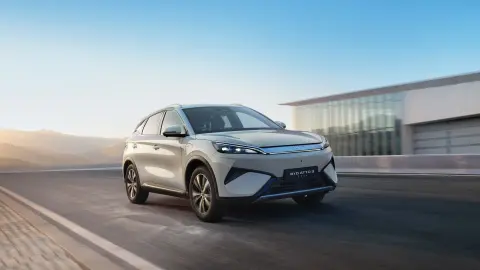 BYD ATTO 3Rs 62.9 lakh – Rs 78 lakh
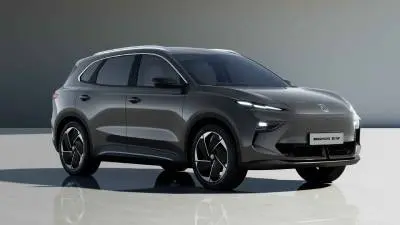 MGS5 EVRs 43.99 lakh – Rs 55.99 lakh
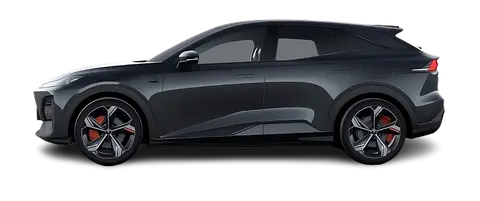 Deepal S07Rs 74.99 lakh
 Hyundai Creta ElectricRs 60.96 lakh
Which EV battery type is best?
There is no single best type. LFP is cheaper, very stable and the most common; NMC stores more energy per kilo, giving more range for the weight. Sodium-ion is very good in the cold but not yet in any EV sold in Nepal, and solid-state is not on sale anywhere yet.
Is the BYD Blade battery LFP?
Yes. Blade is BYD's name for its lithium iron phosphate (LFP) battery, built from long, thin cells placed straight into the pack.
Which battery do most electric cars in Nepal use?
LFP. Of the 30 popular EVs in our list, 21 use LFP and 3 use NMC; the MG4 uses LFP or NMC depending on the version, and for 5 the brand has not published the battery type.
Are LFP and lithium-ion different?
No. LFP and NMC are both kinds of lithium-ion battery. The names describe the cathode material inside the cell.
When will solid-state batteries come to Nepal?
Not yet. No solid-state car is on sale anywhere. Toyota says it aims to launch EVs with all-solid-state batteries in 2027 to 2028.
Read next
Sources
- IEA – Global EV Outlook 2026: Electric vehicle batteries (LFP share, energy density, cost)
- BYD Europe – BYD's revolutionary Blade Battery: all you need to know
- BYD Italy – Blade Battery (LFP; models that use it)
- BYD Nepal – Atto 1, Atto 2, Atto 3, Dolphin and Sealion 7 model pages
- BYD Europe – BYD introduces the Sealion 7 to the European market (1 November 2024)
- BYD Indonesia – M6 (Blade Battery, 71.8 kWh)
- CATL – CATL unveils Naxtra sodium-ion battery (press release, April 2025)
- Toyota – Toyota and Sumitomo Metal Mining agreement on cathode materials for all-solid-state batteries (8 October 2025)
- Wuling Nepal – Eksion and Mini EV (battery type)
- MG Motor India – Hector Tomahawk EV (69.2 kWh LFP)
- MG Motors Nepal – MG S5 EV (LFP by CATL) and MG S6 EV (NCM)
- MG Motor Europe – MG4 Electric range and prices (13 September 2022; 51 kWh LFP, 64 kWh NMC)
- Changan Nepal – Nevo Q05 (LFP)
- Onlinekhabar English – Dongfeng Nammi EV in Nepal (31.4 and 42.3 kWh LFP)
- Onlinekhabar English – Deepal S07 electric crossover (ternary lithium, NMC)
- Onlinekhabar English – Geely EX5 series debuts in Nepal (60.2 kWh LFP short-blade battery)
- Laxmi Hyundai – Creta Electric brochure (NMC battery)
- Tata Motors – Tata.ev launches the new Punch.ev (40 kWh LFP prismatic cell pack)
- Suzuki – Suzuki unveils the e VITARA (4 November 2024; lithium iron-phosphate batteries)
- CNN Indonesia – Proton e.MAS 7 launch (Aegis Short-Blade LFP battery, 17 December 2024)
- Stellantis UK media – Leapmotor B10 press information (67.1 kWh LFP) and T03 press kit (37.3 kWh LFP)
- Mahindra – Mahindra launches BE 6e and XEV 9e (26 November 2024; 79 kWh LFP pack)
#ev#battery#lfp#nmc#blade-battery#sodium-ion#solid-state#buying-guide