EV, hybrid or petrol in Nepal after the 2083/84 budget: which makes sense for you?
Wheels of Nepal · Last updated: · 9 min read
For most Nepali car buyers who can charge at home, an EV is now the cheapest to buy and to run, even after the 2083/84 budget raised taxes on pricier EVs. A strong hybrid saves fuel, but in Nepal it costs Rs 17–29 lakh more than the petrol version of the same car, which takes decades to earn back at normal mileage.
The question "EV, hybrid or petrol?" sounds technical, but in Nepal it is mostly about money: what you pay at the showroom, what you pay each month, and what the tax system adds. This guide uses one brand's official Nepal prices so the comparison is as fair as we can make it: Suzuki sells petrol, strong-hybrid and fully electric SUVs of similar size here. All prices are indicative ex-showroom prices on the official sites, checked October 2026.
We have not driven these cars, so we say nothing about how they drive. The fuel figures are the brands' claims.
The five kinds of car on sale
- Petrol: an engine only. You fill up and go.
- Mild hybrid: a petrol car with a small electric helper that assists the engine and runs stop-start. It cannot drive on electricity alone. Suzuki's petrol Victoris and Grand Vitara use this "Smart Hybrid" system and are priced as petrol cars.
- Strong (self-charging) hybrid: a petrol engine plus an electric motor and a battery, charged by the engine and by braking. It can move short distances on electricity, which cuts fuel use in traffic. You never plug it in. Examples: Victoris and Grand Vitara with Suzuki's strong hybrid, Honda City e:HEV, Toyota's hybrid range.
- Plug-in hybrid (PHEV): a bigger battery you can charge from the wall, plus a petrol engine for longer trips. Example: the MG HS Plug-in Hybrid with a 24.7 kWh battery.
- Electric (EV): battery and motor only; you charge from a socket or charger. See hybrid and kWh in our glossary.
What the 2083/84 budget changed, and what it did not
The budget for FY 2083/84 changed how electric cars are taxed. Instead of motor power, EVs now pay 20% customs duty plus a Clean Infrastructure Investment Fee that rises with the car's customs value, from 2.5% at the bottom to 130% at the top. Cheaper EVs were barely affected; expensive ones got much dearer. Our EV tax explainer has the full slabs and worked examples.
Hybrids and plug-in hybrids are not in that system. In the Finance Bill, the value-based EV fee applies only to fully electric cars. Hybrids stay under the older engine-based excise system with petrol cars. We could not confirm the exact hybrid excise rate from an official copy of the Finance Act, so we do not quote one; the showroom prices below already include whatever tax applies.
…has effectively been brought close to that imposed on petrol and diesel vehicles.
He was talking about EVs valued above Rs 50 lakh. The e Vitara in our example costs Rs 52.99 lakh in the showroom with every tax and margin included, so its customs value is lower still, well below the Rs 50 lakh level he was describing. That is why an electric SUV can still undercut a petrol one.
The price of a hybrid in Nepal
The fairest test is the same model with and without the strong hybrid. Suzuki's own price list makes that possible:
| Car | Petrol version | Strong hybrid | Hybrid premium |
|---|---|---|---|
| Suzuki Victoris, Vxi automatic | Vxi AT: Rs 67,99,000 | Vxi THS: Rs 85,49,000 | Rs 17.50 lakh |
| Suzuki Grand Vitara | Zeta: Rs 67,99,000 | Zeta+ e-CVT: Rs 96,49,000 | Rs 28.50 lakh (higher trim) |
| Honda City, CVT automatic | V CVT: Rs 72,76,000 | e:HEV VCVT: Rs 90,40,000 | Rs 17.64 lakh |
| Honda City, top trim | ZX CVT: Rs 83,76,000 | e:HEV ZXCVT: Rs 1,03,00,000 | Rs 19.24 lakh |
The Victoris pair is the closest match: same trim name, both automatic. The Grand Vitara hybrid comes only in higher trims, so part of its gap is extra equipment. MG sells the HS only as a hybrid (Rs 1.20 crore) or plug-in hybrid (Rs 1.40 crore), with no petrol version to compare.
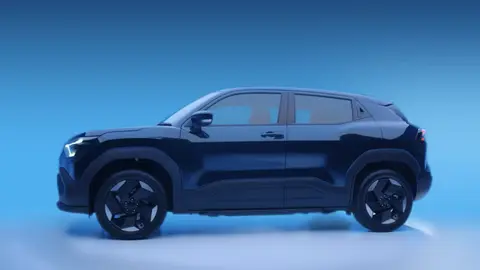
Now the electric option of similar size. The Suzuki e Vitara is 4,275 mm long against the Victoris's 4,360 mm. Its Delta version (49 kWh, 440 km brand-claimed range, no test cycle named) costs Rs 52,99,000, which is Rs 15 lakh less than the petrol Victoris automatic and Rs 32.50 lakh less than the hybrid.
Five-year cost: price plus energy
Here is what each Suzuki costs to buy and fuel over five years at 1,500 km a month (90,000 km). Assumptions, all shown so you can redo them:
- Petrol: Rs 200 a litre, Nepal Oil Corporation's Kathmandu price in its mid-October 2026 notice.
- Electricity: Rs 11.55 a unit, NEA's Rs 11 top domestic rate plus the 5% VAT reported from July 2026.
- Efficiency: the brands' claims. Victoris petrol automatic 21.06 km/l, Victoris strong hybrid 28.65 km/l, and the e Vitara Delta's 49 kWh over 440 km (11.1 kWh per 100 km).
| Victoris Vxi AT (petrol) | Victoris Vxi THS (hybrid) | e Vitara Delta (EV) | |
|---|---|---|---|
| Energy per km | 200 ÷ 21.06 = Rs 9.50 | 200 ÷ 28.65 = Rs 6.98 | 0.111 × 11.55 = Rs 1.29 |
| Energy per month | about Rs 14,245 | about Rs 10,471 | about Rs 1,929 |
| Energy over 5 years | Rs 8.55 lakh | Rs 6.28 lakh | Rs 1.16 lakh |
| Ex-showroom price | Rs 67.99 lakh | Rs 85.49 lakh | Rs 52.99 lakh |
| Price + 5-year energy | Rs 76.54 lakh | Rs 91.77 lakh | Rs 54.15 lakh |
| Victoris petrol AT | 76.54 lakh |
|---|---|
| Victoris strong hybrid | 91.77 lakh |
| e Vitara Delta (EV) | 54.15 lakh |
Source: Our worked example: Suzuki Nepal official prices and claimed efficiency; petrol Rs 200/l (NOC); electricity Rs 11.55/unit (NEA tariff + 5% VAT)
How long does the hybrid take to pay back?
The hybrid saves about Rs 3,774 a month on fuel against the petrol automatic at 1,500 km, or about Rs 45,300 a year. Its premium is Rs 17.50 lakh. That is roughly 39 years to break even. Even at 3,000 km a month, it is about 19 years.
Petrol prices move. Earlier in 2026 petrol reached Rs 219 a litre. At that price, the hybrid's five-year fuel saving rises from about Rs 2.26 lakh to about Rs 2.48 lakh: still a small fraction of its premium.
| Extra price of the hybrid | 17.5 lakh |
|---|---|
| Fuel saved, petrol at Rs 200 | 2.26 lakh |
| Fuel saved, petrol at Rs 219 | 2.48 lakh |
Source: Suzuki Nepal official prices and claimed km/l; 90,000 km; petrol Rs 200/l (NOC) and Rs 219/l (B360 report of the earlier 2026 price)
Annual tax also favours the EV. Ratopati's FY 2083/84 table puts an electric car of 51–125 kW (the e Vitara Delta's 105.8 kW) at Rs 7,500–17,000 a year depending on province, and Rs 15,000 in Bagmati. Even a petrol car up to 1,000cc pays Rs 21,000–23,000. The Victoris has a 1.5-litre engine; check its band at your transport office. Banks can lend up to 60% on all three under Nepal Rastra Bank rules, so the cheaper EV also needs the smallest down payment.
Which makes sense for you?
Choose an EV if:
- you can charge at home or at work most nights;
- most of your driving is in and around a city, or on routes with fast chargers (see our EV charging guide);
- you want the lowest purchase price and running cost in this size class.
Choose a strong hybrid if:
- you cannot charge where you live or park, but drive a lot in stop-start traffic;
- you are happy to pay a large premium for lower fuel use and no charging. On Nepal's prices, do it for convenience, not to save money.
Choose petrol if:
- you drive little, so fuel costs matter less than the purchase price;
- you live or travel often where there is no reliable charging or EV workshop;
- you want the widest choice: petrol cars start much lower, from about Rs 28 lakh in our car price list.
A plug-in hybrid suits very few buyers here: the only one in our catalogue costs Rs 1.40 crore.
What to check before you decide
- Get written prices for the exact versions you are comparing, including offers, registration, tax and insurance. See our guide to road tax and insurance for the extras.
- Ask for the hybrid battery warranty in years and kilometres. The hybrid battery is an expensive part, and the brand pages we read do not state its cover.
- For an EV, ask for the battery warranty, the included charger and the nearest workshop. Our battery warranty guide lists what to check.
- Compare like with like. Line up the official specs in our compare tool, and read our EV vs petrol cost guide for a smaller car and a scooter.
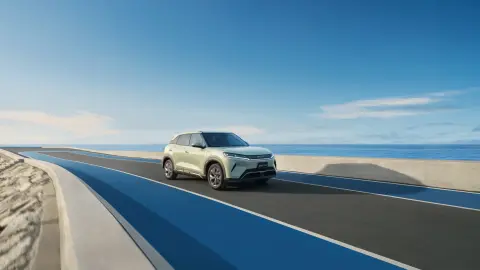
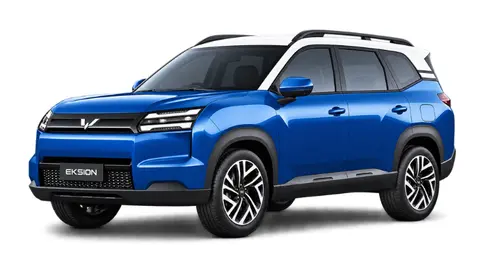
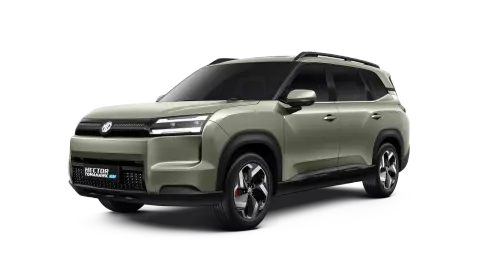
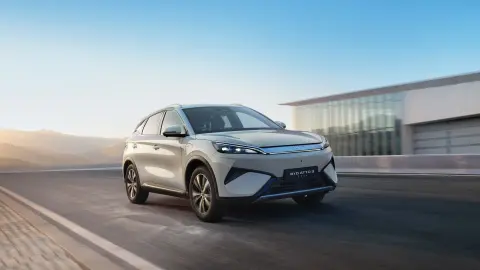
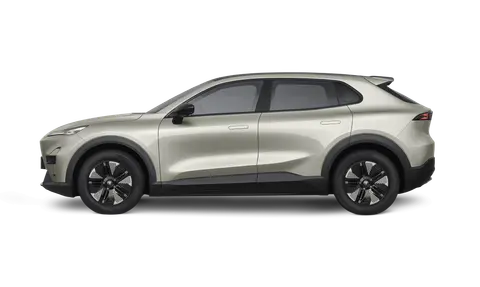
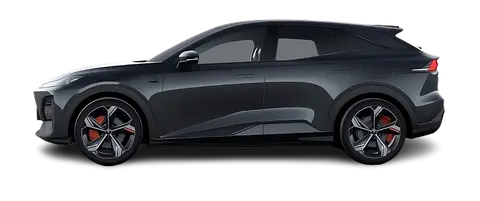
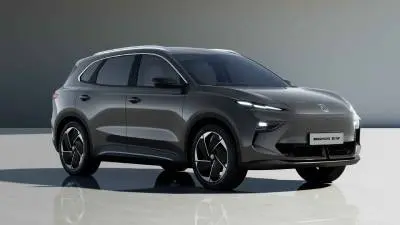
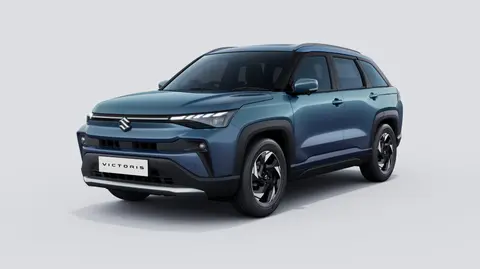
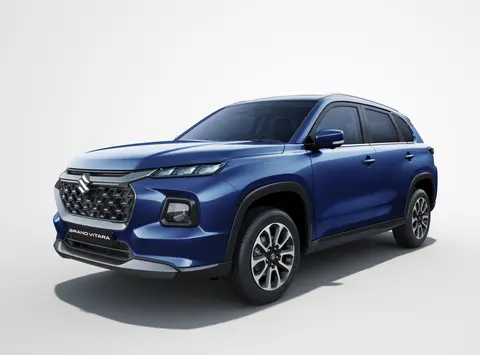
The three Suzukis in this example:
Sources
- Suzuki Nepal – View prices (Victoris, Grand Vitara, e Vitara)
- Suzuki Nepal – Victoris model page (Smart Hybrid and THS strong hybrid, fuel efficiency)
- Suzuki Nepal – Grand Vitara model page (Intelligent Electric Hybrid, fuel efficiency)
- Suzuki Nepal – e Vitara model page (battery, power, claimed range)
- Honda Nepal – Honda City e:HEV
- Honda Nepal – Honda City (5th generation, petrol)
- MG Motor Nepal – MG HS Plug-in Hybrid and HS Hybrid
- Ministry of Finance – Budget FY 2083/84 page (budget speech and Finance Bill 2083)
- The Kathmandu Post – Revised tax slabs threaten EV boom in Nepal (1 June 2026)
- Nepal Oil Corporation – retail fuel prices (Rs 200 per litre petrol in Kathmandu, press release dated 2083/06/29)
- B360 Nepal – Petrol price raised to Rs 219 per litre
- Nepal Electricity Authority – Consumer tariff rates (domestic single-phase slabs)
- The Kathmandu Post – Households using over 50 electricity units to pay five percent VAT (18 July 2026)
- Ratopati – In which province is the annual vehicle tax cheaper? (FY 2083/84 rates by province)
- Business 360 – Monetary policy mid-term review: vehicle loan ratio set at 60% (26 February 2025)
#ev#hybrid#petrol#running-cost#suzuki#tax#buying-guide