Buying a used bike or scooter in Nepal: checks, bluebook and ownership transfer
Wheels of Nepal · पछिल्लो अद्यावधिक: · ८ मिनेट पढ्न
हाम्रा लेखका नेपाली संस्करण छिट्टै आउँदैछन्। तलका लेख अंग्रेजीमा छन्। अंग्रेजीमा पढ्नुहोस् →
Buy a used bike or scooter in Nepal only after you have seen the original bluebook, matched its chassis and engine numbers to the machine, confirmed that tax and insurance are paid, and agreed in writing who pays any dues. The sale is complete only when the transport office records the naamsari (ownership transfer) in your name.
A good second-hand motorcycle or scooter can cost far less than a new one, and many commuters buy that way. The risks are also familiar: hidden accident damage, a loan still on the bluebook, unpaid tax, or a seller who is not the owner. This guide covers the two-wheeler side; for cars, read our used car guide, and for electric cars, the used EV guide.
Step 1: Know what new costs
Before you look at any used bike, check the new price of the same model. Indicative ex-showroom prices on the official sites (checked October 2026) include:
| Model | New price from |
|---|---|
| Hero Splendor+ | Rs 2,17,900 |
| TVS Jupiter | Rs 2,64,900 |
| Honda Dio 110 | Rs 2,69,900 |
| Honda Shine 125 | Rs 2,99,900 |
| Bajaj Pulsar 150 | Rs 3,69,900 |
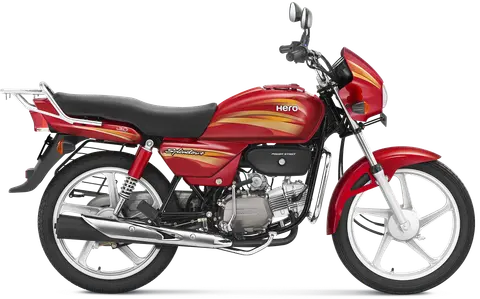 Hero Splendor+रु २,१७,९००
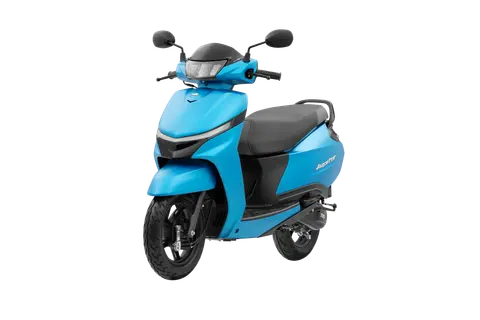 TVS Jupiterरु २,६४,९००
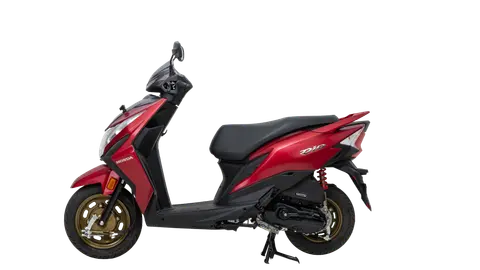 Honda Dio 110रु २,६९,९०० – रु २,८४,९००
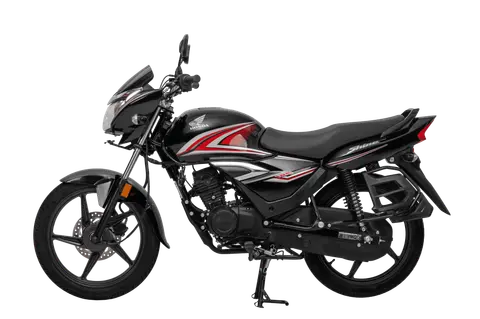 Honda Shine 125रु २,९९,९०० – रु ३,०९,९००
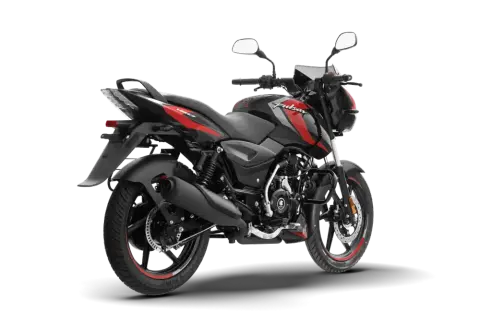 Bajaj Pulsar 150रु ३,६९,९०० – रु ३,९०,९००
If a used example costs nearly as much as a new one, a new bike with a warranty and free services may be better value. Our bike price list and scooter price list have every model. A price far below the market is a warning sign, not a bargain.
Step 2: Inspect the bike in daylight
Look at the bike when the engine is cold, and bring a mechanic you trust if you can. None of these checks needs tools.
Frame and body
- Look along the frame, forks and handlebar for bends, cracks, fresh welds or mismatched paint. These point to a crash.
- Check that the front wheel lines up with the handlebar when you ride straight.
- Look under the seat and around the battery for rust or silt, a sign of flood damage after the monsoon.
Engine (petrol bikes and scooters)
- Start it cold. It should start easily without heavy smoke. Blue smoke suggests worn engine parts.
- Listen for knocking, rattling or a loud clutch.
- Look for oil leaks around the engine and front forks.
Brakes, tyres and chain
- Squeeze both brakes. Check the discs for deep grooves, or that drum brakes bite firmly. If the bike has ABS or CBS, make sure the warning light goes out after starting.
- Check tyre tread and look for cracks on the sidewalls.
- On motorcycles, check the chain and sprocket teeth for wear and slack.
Electrics and test ride
- Test the headlight, indicators, horn, brake light and self-start.
- Ride it yourself, on your own licence, at different speeds. Gears should change cleanly and the bike should not pull to one side.
Electric scooters
An electric scooter has no engine to check, but the battery is the most expensive part.
- Ask for the battery's age and any service records, and charge it fully to see what range the dashboard shows.
- Ask whether the battery warranty passes to a second owner. Ather's Nepal warranty policy, for example, says the warranty period runs from the original invoice date regardless of a change of owner. Many brands do not say, so ask the dealer. Our battery warranty guide lists the terms by brand.
Step 3: Check the papers
Always ask for originals, not photos.
| Document | What to check |
|---|---|
| Bluebook | Owner's name matches the seller's citizenship; registration number, chassis and engine numbers match the bike |
| Tax and renewal record | Paid up to the current fiscal year |
| Insurance | At least valid third-party cover |
| Bank or finance release letter | Needed if the bluebook shows a lender's name |
| Seller's citizenship | Matches the bluebook |
| Service book | Optional, but shows how the bike was looked after |
Unpaid tax and fines
Annual vehicle tax is set by each province. Ratopati's comparison of FY 2083/84 rates gives Rs 2,700 to Rs 3,100 for a bike or scooter up to 125cc, depending on province. Larger bikes pay more: above 650cc, Bagmati charges Rs 35,000 a year. Ratopati's FY 2082/83 table showed the 126–150cc band at Rs 4,300–5,100 and the 151–250cc band at Rs 5,500–6,500 across provinces. Electric two-wheelers are taxed by motor wattage, and some provinces exempt the smallest ones.
| Up to 125cc, cheapest (Karnali, Sudurpashchim) | 2,700 Rs |
|---|---|
| Up to 125cc, dearest (Koshi) | 3,100 Rs |
| Above 650cc, Koshi, Madhesh, Karnali, Sudurpashchim | 20,000 Rs |
| Above 650cc, Bagmati | 35,000 Rs |
Source: Ratopati's province-by-province comparison, July 2026
Late payment adds fines. Kokil, a calculator site that summarises the provincial acts, gives Bagmati's fines as 5% of the tax in the first 30 days, rising to 20% by the end of the fiscal year and more for each year after that. A bike that has not paid for several years can carry a real bill, so:
- Ask the transport office to confirm the tax record. In Bagmati, tax paid online shows in the Vehicle Registration System (VRS), according to Fiscal Nepal.
- Agree in writing that the seller pays every due up to the sale date, or take it off the price.
Step 4: Put the deal in writing
- Write a short sale agreement: both names and citizenship numbers, the registration, chassis and engine numbers, price, payment method and date.
- State who pays outstanding tax and the transfer costs.
- Pay by bank transfer or cheque so there is a record.
- Note the date and time of handover. Until the naamsari is done, the seller is still the legal owner, so both sides should want it done quickly.
Step 5: Ownership transfer (naamsari)
Naamsari is done at the transport management office where the bike is registered. Offices set their own checklists, so confirm before you go. Commonly needed:
- Original bluebook
- Citizenship certificates of buyer and seller, with copies
- Photos of the buyer
- The office's naamsari application form
- Proof that tax and renewal are up to date
- Valid insurance
- Release letter, if the bike was financed
The office checks the chassis and engine numbers and the tax and insurance records, collects the fee and any dues, and records you as the new owner.
What changed in October 2026
On 12 October 2026 the Department of Transport Management (DoTM) amended its Transport Management Procedure Directive 2060, as reported by Ratopati and Onlinekhabar:
- Buyers of new and used vehicles no longer have to appear in person. A representative can complete registration and naamsari with the buyer's power of attorney, the representative's own original government ID and the buyer's photo.
- Insurance can be bought or renewed without visiting the office.
- DoTM plans to give dealers access to VRS so that biometric details can be collected outside the office.
The reports gave no start date, so ask your office what it accepts today.
Fees
The naamsari fee is set by provincial law and varies by province and vehicle type. We could not find a current official fee schedule, so we have not printed one. Ask the office before you go.
The government's embossed number plates are issued during registration, ownership transfer and renewal, according to The Kathmandu Post. The fee for a motorcycle or scooter is Rs 2,500. Ask whether your office will require one at naamsari.
Step 6: Insurance in your name
Once the bike is yours, put the insurance in your name. Third-party insurance is compulsory. Under the current tariff it costs Rs 1,500 below 150cc, Rs 1,700 for 150–250cc and Rs 1,900 above 250cc, before VAT and stamp duty, according to Bizmandu. The Insurance Authority is revising premiums after the cover limit was raised to Rs 10 lakh, so check the price at renewal. Our bluebook renewal and insurance guide explains the yearly routine.
Common scams
- Number tampering: chassis or engine numbers that look altered. Walk away.
- Hidden loan: a lender's name on the bluebook and no release letter.
- Seller is not the owner: deal with the registered owner or a properly notarised power of attorney.
- Advance-payment fraud: a cheap online listing and a request for a deposit before you see the bike. Never pay first.
- Fresh paint over flood or crash damage: use the inspection list above.
Quick checklist
- Compared the price with the same model new
- Cold start, inspection in daylight, test ride
- Original bluebook seen; chassis and engine numbers match
- Tax and renewal paid, or dues agreed in writing
- Insurance valid; release letter if financed
- Sale agreement signed; paid by bank
- Naamsari done and bluebook in your name
- Insurance moved to your name
If you need finance for a new bike instead, see our bike and scooter loan guide.
स्रोतहरू
- Ratopati – DoTM amends procedure: buyers need not visit the transport office for registration and transfer (12 October 2026)
- Onlinekhabar – Vehicle owners need not be present for purchase, naamsari, insurance or renewal (26 Asoj 2083)
- Ekantipur – Vehicle owners no longer required to be present for registration and ownership transfer (12 October 2026)
- Ratopati – In which province is the annual vehicle tax cheaper? (3 Shrawan 2083, FY 2083/84 rates)
- Ratopati – Motorcycle annual tax by province and EV two-wheeler rates (2 Shrawan 2082)
- Kokil – Vehicle tax in Nepal 2083/84: renewal fees and late fines (calculator site; reviewed September 2026)
- Fiscal Nepal – Bagmati introduces online vehicle tax payment through VRS (30 June 2026)
- The Kathmandu Post – Government pushes ahead with embossed number plates (26 August 2025)
- Bizmandu – Third-party motor insurance liability doubled; premiums under revision (8 July 2026)
- Ather Energy Nepal – Warranty policy (warranty runs from the original invoice date)
#used-bike#second-hand#scooter#motorcycle#bluebook#naamsari#ownership