How to buy a used car in Nepal: inspection, documents and ownership transfer
Wheels of Nepal · पछिल्लो अद्यावधिक: · ९ मिनेट पढ्न
हाम्रा लेखका नेपाली संस्करण छिट्टै आउँदैछन्। तलका लेख अंग्रेजीमा छन्। अंग्रेजीमा पढ्नुहोस् →
To buy a used car safely in Nepal, inspect it in daylight with a mechanic, check that the original bluebook's chassis and engine numbers match the car, make sure tax is paid and any bank loan is released, and put the deal in writing before you complete the ownership transfer (naamsari).
A used car can save you a lot of money in Nepal, where new cars carry heavy import taxes. But a second-hand purchase also carries risks that a showroom sale does not: hidden damage, unpaid tax, a bank loan still attached to the car, or papers that do not match the vehicle. This guide walks you through the process in the order you will actually do it: inspect the car, check the papers, agree the deal, then transfer ownership (naamsari) at the transport office.
Step 1: Decide your budget and shortlist
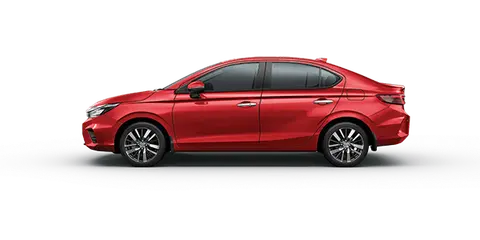
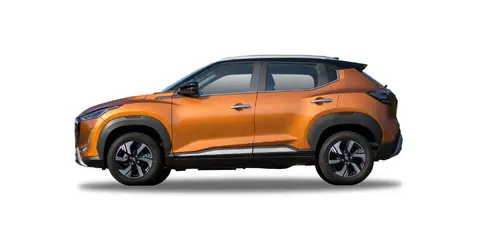
Before you look at any listing, know what the same car costs new. Check the current car price list or a model page such as the Honda City or Nissan Magnite to see today's indicative ex-showroom price on the official site. A used car is only a good deal if it is clearly cheaper than a new one once you add repairs, a year of road tax and insurance.
Keep money aside for:
- The transfer (naamsari) fee and any office costs
- Any vehicle tax the seller has not paid (agree in writing who pays it)
- Insurance in your name
- A first service: oil, filters, brake fluid and any worn tyres
If you plan to borrow, ask your bank first. Some banks finance second-hand vehicles (Nepal Bank's auto loan page mentions them), but terms differ from new-car loans. Our auto loan guide explains the 60% limit and how EMIs work.
Step 2: Inspect the car (before you talk price)
Look at the car in daylight, when it is dry and the engine is cold. Take a mechanic you trust if you can; it is the best money you will spend.
Outside
- Panel gaps and paint: uneven gaps or a slightly different shade on one panel suggest accident repair.
- Rust and underbody: look under the car and inside the wheel arches. Scrapes and dents underneath are common on Nepali roads, but bent parts or fresh welding are warning signs.
- Tyres: uneven wear on one edge can point to alignment or suspension problems. Check the manufacturing date on the tyre sidewall.
- Glass and lights: cracks, fogged headlamps, mismatched glass brands.
Under the bonnet
- Cold start: the engine should start cleanly without long cranking, knocking or heavy smoke.
- Leaks: oil, coolant or brake fluid on the engine or on the ground below.
- Oil: milky oil or a sweet smell from the coolant can mean a head-gasket problem.
- Belts and hoses: cracked or soft rubber needs replacing soon.
Inside
- Wear versus odometer: a worn steering wheel, pedals and driver's seat with a low reading on the odometer is a red flag for tampering.
- Flood signs: damp carpet, a musty smell, mud or water lines under the seats or in the boot. Monsoon flooding happens in Nepal, and water-damaged cars can have long-term electrical faults.
- Electrics: test every window, the AC, lights, horn, wipers, infotainment and warning lamps.
Test drive
Drive on a smooth road and a rough one, and on a slope if you can.
- Clutch and gears should engage smoothly; an automatic should shift without jerks.
- Brakes should stop straight without pulling or grinding.
- Listen for knocks over bumps (suspension) and whining at speed (bearings or gearbox).
- Watch the temperature gauge. Overheating in traffic is costly to fix.
Electric and hybrid cars
For a used EV, ask for the battery health report from the authorised service centre, check that the battery warranty transfers to you, and test both AC and fast charging if possible. Our EV charging guide explains the charging terms.
Step 3: Check the documents
This step protects you from most scams. Ask to see the originals, not photos.
| Document | What to check |
|---|---|
| Bluebook (vehicle registration certificate) | Owner's name matches the seller's citizenship; registration number, chassis number and engine number match the car itself |
| Tax record | Annual vehicle tax paid up to the current year; renewal up to date |
| Insurance | At least valid third-party cover, which is compulsory in Nepal |
| Bank release letter | If the bluebook shows a bank's name, the loan must be fully paid and the bank must issue a release letter |
| Seller's citizenship | Name and details match the bluebook |
| Service records | Optional but valuable: dates and mileage of past services |
Match the numbers yourself
Find the chassis number (often stamped on the body and shown on a plate) and the engine number on the car, and compare them with the bluebook, digit by digit. If they do not match, walk away. Transport office staff check these numbers during transfer, so a mismatch will stop the naamsari anyway.
Unpaid tax and fines
Annual vehicle tax is set by each province, and it differs between provinces. Late payment adds fines that grow over time. Agree in writing that the seller clears all dues up to the date of sale, or reduce the price by the amount owed. In Bagmati Province, tax paid online now shows in the Vehicle Registration System (VRS), so ask the transport office to confirm the record. Our bluebook renewal and road tax guide has the Bagmati rates.
Step 4: Agree the deal in writing
- Write a simple sale agreement with both names, citizenship numbers, the car's registration, chassis and engine numbers, the price, the payment method and the date.
- State who pays outstanding tax and the transfer costs.
- Pay through a bank transfer or cheque so there is a record. Avoid large cash payments.
- Note the date and time of handover. Until the naamsari is done, the seller remains the legal owner, and the car's fines and liabilities can still be traced to them, so both sides should want the transfer done quickly.
Step 5: Ownership transfer (naamsari)
Ownership transfer is handled by the transport management office where the vehicle is registered, under provincial transport law. Bagmati Province's Vehicle and Transport Management Act 2075, for example, lets a registered owner transfer a vehicle by sale or gift, after which the authorised officer checks the details, collects the set fee and records the new owner on the registration certificate.
Documents usually needed
Offices publish their own checklists, so confirm with yours before you go. Commonly asked for:
- Original bluebook
- Citizenship certificates of buyer and seller (originals and copies)
- Photos of the buyer
- The naamsari application form from the office
- Proof that vehicle tax and renewal are up to date
- Valid insurance
- Bank release letter, if the car was financed
The process
- Submit the application and documents at the transport office.
- The office checks the vehicle's chassis and engine numbers and the tax and insurance records.
- Pay the transfer fee and any outstanding dues.
- The office records the new owner, and the bluebook is updated in your name.
What changed in October 2026
On 12 October 2026, the Department of Transport Management (DoTM) announced amendments to the Transport Management Procedure Directive 2060, as reported by Ratopati and others:
- Buyers no longer have to appear in person. A representative holding the buyer's power of attorney, their own original government ID and the buyer's photo can complete registration and naamsari.
- No re-inspection for the first naamsari of a new vehicle: the inspection done when the dealer registered it is accepted.
- Insurance can be bought or renewed without the owner visiting the office.
- DoTM also plans to give dealers access to the Vehicle Registration System to collect biometric details for faster naamsari.
Some of these changes mainly affect dealer sales. The news reports did not give an effective date or say how quickly each province's offices will apply them, so ask your transport office what it currently accepts.
Fees
The naamsari fee is set by provincial law and varies by province and vehicle type, and provinces revise their fees in their annual finance acts. We could not confirm a current official fee schedule, so we have not printed one. Ask the transport office or check your province's latest finance act before you go.
Insurance after transfer
Once the car is in your name, put the insurance in your name too. Third-party cover is compulsory, and the FY 2026/27 budget raised the third-party compensation limit from Rs 5 lakh to Rs 10 lakh. Comprehensive cover is optional but worth considering for a valuable car.
Common scams and how to avoid them
- Number mismatch or tampering. Chassis or engine numbers that look ground off, restamped or that don't match the bluebook. Walk away.
- Hidden bank loan. The seller hides an unpaid loan. Check the bluebook for a bank's name and insist on the release letter.
- Seller isn't the owner. A "middleman" sells a car registered to someone else. Deal with the registered owner, or with a properly notarised power of attorney.
- Rolled-back odometer. Compare wear and service records with the reading.
- Flood or accident damage hidden by fresh paint and cleaning. Use the checklist above, and a mechanic.
- Advance-payment fraud. A listing at a price far below market, with a seller asking for a deposit before you see the car. Never pay before you've seen the car and its papers.
- Unpaid tax and fines. Check the tax record; agree in writing who pays.
Quick checklist
- Compared the price with the same model new
- Inspected in daylight, cold start, test drive
- Mechanic's check done
- Bluebook original seen; chassis and engine numbers match
- Tax and renewal up to date (or dues agreed in writing)
- Insurance valid; bank release letter if financed
- Sale agreement signed; payment by bank
- Naamsari completed and bluebook in your name
- Insurance transferred to your name
If you would rather buy new after all, use our compare tool to line up models side by side, and see our first-time car buyer's guide.
स्रोतहरू
- Ratopati – Buyers no longer need to visit the transport office for registration and transfer (DoTM amends Transport Management Procedure Directive 2060, 12 October 2026)
- Artha Pranali – Vehicle owners need not appear in person for registration and naamsari (26 Asoj 2083)
- Ekantipur – Vehicle owners no longer required to be present for registration and ownership transfer (12 October 2026)
- Bagmati Province – Pradesh Vehicle and Transport Management Act 2075 (ownership transfer provision)
- Fiscal Nepal – Bagmati introduces online vehicle tax payment (30 June 2026)
- Ratopati – In which province is the annual vehicle tax cheaper? (3 Shrawan 2083)
- Prabhu Insurance – Motor insurance (third-party liability is compulsory)
- Beema Post – Government doubles third-party motor insurance coverage limit to Rs 1 million (May 2026)
- Nepal Bank Limited – Auto loan (eligibility and documents)
#used-car#buying-guide#bluebook#naamsari#ownership-transfer#inspection