Bluebook renewal, road tax and vehicle insurance in Nepal: a complete guide
Wheels of Nepal · पछिल्लो अद्यावधिक: · ९ मिनेट पढ्न
हाम्रा लेखका नेपाली संस्करण छिट्टै आउँदैछन्। तलका लेख अंग्रेजीमा छन्। अंग्रेजीमा पढ्नुहोस् →
Every year, a vehicle owner in Nepal must pay the annual vehicle tax set by their province, have the bluebook renewed, and keep at least third-party insurance valid. In Bagmati, paying the tax online through the Vehicle Registration System now does away with the office visit for digitally verified vehicles.
Buying a vehicle is only the first bill. Every year after that, an owner in Nepal pays the annual vehicle tax (often called road tax), keeps the bluebook renewed, and keeps insurance valid. Miss any of these and you face fines, trouble at police checks, and problems when you sell. This guide explains all three, with what we could confirm about vehicle tax rates for FY 2083/84 (2026/27).
The bluebook in one paragraph
The bluebook is your vehicle's registration certificate. It records the owner, registration number, chassis and engine numbers, engine size or motor power, and the history of tax payments and renewals. It is the document a buyer, a bank or a traffic officer will ask for, and it is the key document in an ownership transfer (see our guide on buying a used car).
Annual vehicle tax: set by your province
Since federalism, annual vehicle tax is set by each province in its yearly finance act. The same scooter can pay different amounts in Koshi, Bagmati or Karnali. A Ratopati comparison in July 2026 found that most provinces kept last year's rates for FY 2083/84 (Sudurpashchim, whose budget had not passed, continues last year's rates).
You pay in the province where the vehicle is registered.
Bagmati Province rates, FY 2083/84 (private vehicles)
Bagmati's FY 2083/84 finance bill kept almost every annual rate unchanged. According to Fiscal Nepal, the one change was for electric vehicles up to 50 kW: private ones now pay Rs 1,500 more a year than before, and commercial ones Rs 1,000 more.
We could not open the Bagmati government's own website or gazette while researching, and we found no news outlet that printed this year's full Bagmati rate table. These are the Bagmati rates that news reports confirm for FY 2083/84:
| Vehicle (private) | Annual tax in Bagmati |
|---|---|
| Motorcycle above 650cc | Rs 35,000 (the highest of any province) |
| Car, jeep or van above 3,500cc | Rs 70,000 |
| Electric car, jeep or van, 51–125 kW | Rs 15,000 |
Source: Ratopati's province-by-province comparison, July 2026.
For every other band, including the common ones (scooters and bikes up to 125cc, cars up to 1,500cc and small EVs), check the current rate at your transport office or on the Bagmati provincial government's website before you pay.
Do not rely on old tables. Rates do change. When Setopati published Bagmati's full table for FY 2078/79, a motorcycle above 650cc paid Rs 30,000 and a vehicle above 3,500cc paid Rs 65,000. Both are Rs 5,000 higher today.
Electric scooters and motorcycles are taxed by motor wattage, and the rules differ a lot between provinces. Ratopati notes, for example, that Lumbini exempts electric scooters up to 500 W, while Madhesh bases the tax on the purchase price rather than motor power. We could not confirm the current Bagmati rates, so ask the transport office.
How much the province matters
The same Ratopati comparison shows the range across all seven provinces for FY 2083/84:
| Vehicle (private) | Cheapest province | Most expensive province |
|---|---|---|
| Motorcycle or scooter up to 125cc | Rs 2,700 (Karnali, Sudurpashchim) | Rs 3,100 (Koshi) |
| Car up to 1,000cc | Rs 21,000 (Karnali, Sudurpashchim) | Rs 23,000 (Koshi) |
| Electric car up to 50 kW | Rs 2,500 (Madhesh) | Rs 11,000 (Lumbini) |
| Electric car 51–125 kW | Rs 7,500 (Madhesh) | Rs 17,000 (Lumbini) |
| Motorcycle/scooter up to 125cc, cheapest | 2,700 Rs |
|---|---|
| Motorcycle/scooter up to 125cc, dearest | 3,100 Rs |
| Electric car up to 50 kW, cheapest | 2,500 Rs |
| Electric car up to 50 kW, dearest | 11,000 Rs |
| Electric car 51–125 kW, cheapest | 7,500 Rs |
| Electric car 51–125 kW, dearest | 17,000 Rs |
| Car up to 1,000cc, cheapest | 21,000 Rs |
| Car up to 1,000cc, dearest | 23,000 Rs |
Source: Ratopati's province-by-province comparison, July 2026
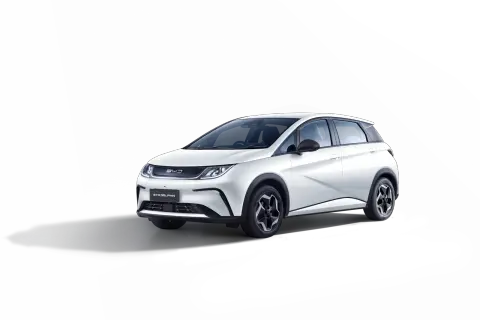
Your tax band follows the engine size or motor power recorded in your bluebook. For example, the BYD Dolphin has a 70 kW motor on the official Cimex site, so in Bagmati it falls in the 51–125 kW band at Rs 15,000 a year.
Notice how low EV tax is compared with petrol cars: a small EV (up to 50 kW) pays at most Rs 11,000 a year in any province, while a car up to 1,000cc pays at least Rs 21,000. That is one of the running-cost advantages covered in our EV vs petrol cost comparison.
Other Bagmati rules for 2083/84
According to Fiscal Nepal's report on the Bagmati finance bill:
- New imports in their first year pay tax in proportion to the part of the year they were in use, based on the technical inspection report.
- Older vehicles pay more. Vehicles past a certain age (the report gives both 14 and 15 years) pay an extra 5% for each further year.
- Some vehicles are exempt, including ambulances, fire engines, hearses and three-wheeled scooters up to 150cc used by people with disabilities.
- Relief on old dues is limited: two-wheeler owners who deregister a vehicle with local government and police recommendations, and clear outstanding tax and renewal fees by the end of Poush 2083, get fines up to FY 2082/83 waived.
Bluebook renewal and online payment
Each year, along with the tax, you pay a small renewal fee and the payment is recorded against your bluebook. Kokil, a calculator site that tracks provincial acts, lists Bagmati's renewal fee as Rs 300 for a motorcycle and Rs 500 for a car. We could not confirm this from an official source, so check at the counter.
The big change: no stamp needed if you pay online
From FY 2083/84, Bagmati says owners who pay vehicle tax online, with the payment showing in the Vehicle Registration System (VRS), no longer need to visit a transport office to have the bluebook renewed. This applies to digitally verified vehicles. Keep the digital receipt safe, because it is now your proof.
Online bluebook payment through digital wallets has existed for some years (ShareSansar reported the Khalti app adding it in 2022), but older systems often still required a visit to the office afterwards. Ask your office whether your vehicle is already in VRS.
If you pay at the office
Take the original bluebook, a valid insurance policy and your citizenship or ID. Pay at the revenue counter, then get the renewal recorded.
Late payment fines
Fines for late tax and late renewal rise in steps the longer you wait, and in Bagmati they are set out in the provincial acts. Published summaries of the exact percentages and grace periods differ, so we have not printed a table. The simple rule: pay before your due date, which is tied to your bluebook date. If you are already late, pay as soon as you can, because the fine grows each period.
Vehicle insurance: what is compulsory and what is optional
Third-party insurance (compulsory)
Third-party insurance covers your legal liability if your vehicle injures or kills someone, or damages their property. It does not pay for damage to your own vehicle. It is compulsory for every vehicle on Nepali roads, and transport offices commonly ask to see a valid policy when you renew or transfer a vehicle.
Two recent changes matter:
- Higher cover. The FY 2026/27 budget doubled the third-party compensation limit from Rs 5 lakh to Rs 10 lakh (Beema Post). Industry observers expect premiums to be revised upward, but we found no new premium tariff published by the Nepal Insurance Authority as of October 2026. Ask your insurer for today's premium rather than relying on old tables online.
- No office visit. Under DoTM's October 2026 procedure amendment, owners do not need to visit the transport office to buy or renew vehicle insurance.
Third-party premiums follow a national tariff issued under the Nepal Insurance Authority (the last one dates from 2073 BS, according to Kokil), so they should not differ between companies. The price depends on vehicle type and engine size.
Comprehensive insurance (optional)
Comprehensive cover includes third-party liability plus damage to your own vehicle. Insurers' policy pages, such as Prabhu Insurance's, list cover for:
- Accidental damage
- Fire, explosion and self-ignition
- Natural disasters such as earthquake, flood and landslide
- Theft
- Riot, strike and malicious damage
- Injury to the driver and passengers
The premium is based mainly on the vehicle's insured value, so it varies a lot between models. If you have a loan, ask your bank what cover it requires; banks usually want the vehicle fully insured until the loan is repaid (see our auto loan guide).
Is it worth it? For a new or valuable car, or a bike you depend on for work, usually yes. A single accident repair or a monsoon flood can cost far more than a year's premium. For an old, low-value vehicle, third-party only may be enough.
Tips when buying insurance
- Insure for a realistic value. Under-insuring cuts your premium but also cuts your claim.
- Read the exclusions carefully and ask the insurer to explain anything unclear, for example cover when the driver has no valid licence.
- Keep the policy and receipt with your bluebook, or on your phone.
- Report accidents to the insurer and the police promptly. Late reporting can delay claims.
Yearly checklist
| When | What to do |
|---|---|
| Before insurance expiry | Renew third-party (and comprehensive, if you have it) |
| Before your tax due date | Pay annual vehicle tax and renewal fee, online if your vehicle is in VRS |
| After paying | Save the receipt; check that VRS shows the payment |
| Every year | Check that the bluebook details are correct (owner, address, bank release if the loan is paid) |
Budgeting for the full cost
When you compare vehicles, add tax and insurance to the price. The compare tool lets you set models side by side.
स्रोतहरू
- Fiscal Nepal – Bagmati introduces online vehicle tax payment, ends mandatory bluebook renewal for digitally verified vehicles (30 June 2026)
- Ratopati – In which province is the annual vehicle tax cheaper? (3 Shrawan 2083, FY 2083/84 rates by province)
- Setopati – Bagmati two-wheeler and car tax rates, FY 2078/79 (for history only)
- Kokil – Vehicle tax in Nepal 2083/84: rates and fines by province (reviewed September 2026)
- Ratopati – DoTM amends procedure: owner need not visit office for registration, transfer or insurance (12 October 2026)
- Beema Post – Government doubles third-party motor insurance coverage limit to Rs 1 million (30 May 2026)
- Cimex (BYD Nepal) – Dolphin specifications
- Prabhu Insurance – Motor insurance: third-party and comprehensive cover
- ShareSansar – Bluebook renewal available on Khalti app (17 February 2022)
#bluebook#vehicle-tax#road-tax#insurance#bagmati#renewal#ownership